 Modular Kitchen Design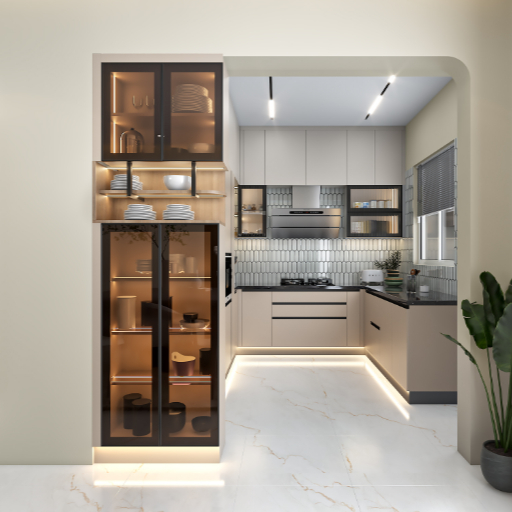
A modular kitchen serves as the heart of any modern Bangalore home. Homeowners want spaces that combine smart organisation, smooth workflow, and elegant aesthetics. Whether you live in a compact apartment or a spacious villa, a well-planned modular kitchen design improves your daily routine and boosts the value of your property.
However, planning a kitchen often feels overwhelming. Many people struggle with poor layouts, impractical storage, and materials that fail under heavy use. A kitchen might look stunning on day one, but if the cabinets swell from moisture or the layout makes cooking difficult, the design ultimately fails.
This guide covers everything you need to know to build the perfect kitchen. We will explore realistic cost breakdowns, popular layouts, durable materials, and smart strategies to save money without sacrificing quality.
What Does a Modular Kitchen Cost in Bangalore?
The cost of a modular kitchen in Bangalore typically ranges between ₹1.5 Lakhs and ₹8 Lakhs or more. Your final budget depends heavily on the kitchen size, layout complexity, material choices, and hardware selection.
Here is an estimated cost breakdown based on standard layouts:
- Straight Kitchen: ₹1.2 – ₹1.8 Lakhs
- L-Shaped Kitchen: ₹1.5 – ₹3.5 Lakhs
- Parallel Kitchen: ₹1.6 – ₹3 Lakhs
- U-Shaped Kitchen: ₹2 – ₹6 Lakhs
- Island Kitchen: ₹3.5 Lakhs – ₹12 Lakhs+
Premium kitchens that feature imported finishes, quartz countertops, and branded hardware systems will push these estimates higher. Use our kitchen cost calculator to get a more accurate estimate based on your specific requirements.
The cost is not driven by layout alone. Materials, hardware, shutter finish, accessories, and appliance planning are what usually shift the total.
Popular Modular Kitchen Layouts
The best layout improves your workflow and maximises your available space. Choose a design that fits your floor plan and cooking habits.
1. Straight Kitchen Layout
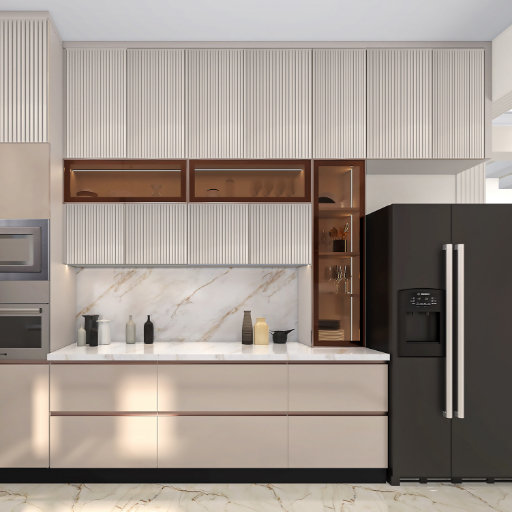
Straight kitchens work perfectly for compact apartments and studio homes where space remains limited.
- Best For: 1BHK apartments and narrow spaces.
- Advantages: Budget-friendly, minimal space usage, and faster execution.
2. L-Shaped Kitchen Layout
L-shaped kitchens balance storage, movement, and visual openness effectively. This makes them a highly popular choice across Bangalore.
- Best For: 2BHK and 3BHK apartments, or open-plan homes.
- Advantages: Creates an efficient work triangle, provides more counter space, and utilises corners smartly.
3. Parallel Kitchen Layout
Parallel kitchens feature two facing counters. They offer an incredibly efficient workspace for families who cook heavy meals frequently.
- Best For: Homes with separate kitchen rooms and families needing maximum storage.
- Advantages: Excellent workflow, distinct wet and dry zones, and highly efficient movement.
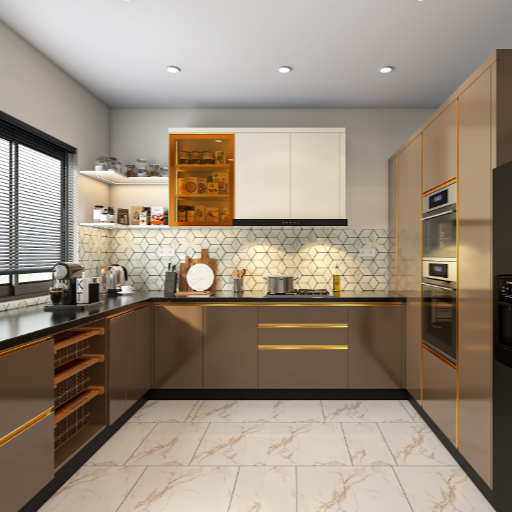
4. U-Shaped Kitchen Layout
U-shaped kitchens provide massive amounts of counter space and storage, but they require a larger floor area to prevent feeling cramped.
- Best For: Large apartments, villas, and premium homes.
- Advantages: High storage capacity, multiple work zones, and a premium visual appeal.
5. Island Kitchen Layout
Island kitchens combine high functionality with social interaction. They represent the most premium modular kitchen design option available.
- Best For: Luxury apartments and open-layout villas.
- Advantages: Additional workspace, informal seating options, and superior entertainment flow.
Best Materials for Bangalore Kitchens
Material selection dictates the lifespan of your kitchen. Bangalore kitchens face constant exposure to moisture, steam, oil, and heat.
Plywood Types
Always avoid regular MR (Moisture Resistant) plywood in kitchens. Instead, use:
- BWP (Boiling Water Proof) Plywood: Essential for sink areas and wet zones.
- BWR (Boiling Water Resistant) Plywood: Excellent for general cabinet structures.
Cabinet Finishes
- Laminates: Highly durable, scratch-resistant, and budget-friendly. Matte laminates look sophisticated and hide fingerprints well.
- Acrylic Finishes: Provide a sleek, high-gloss, modern appearance. They suit luxury interiors but require more maintenance and a higher budget.
Countertops
- Quartz: Offers a premium look, excellent stain resistance, and low maintenance.
- Granite: Remains a highly durable and more budget-friendly alternative to quartz.
Smart Storage Ideas for Modern Kitchens
Urban homes often feature limited square footage, making storage optimisation crucial. Smart storage keeps your counters clean and improves daily functionality. The same space-efficiency principles apply whether you are planning a kitchen or looking at maximising wardrobe storage elsewhere in the home.
Consider adding these storage solutions:
- Tandem drawers for heavy pots and pans
- Corner carousel units to access deep spaces
- Tall pantry units for groceries
- Pull-out spice racks near the hob
- Hidden appliance garages to conceal clutter
Cost-Saving Tips for Modular Kitchens
You do not need to buy the most expensive materials to build a beautiful kitchen. Smart planning helps you reduce costs while maintaining durability. These same principles apply to any room — read our guide on designing a living room that feels expensive on a mid-range budget for complementary ideas.
- Use BWP Plywood Strategically: You do not need expensive BWP plywood everywhere. Use it only near the sink and wet zones. Use BWR plywood for the remaining dry cabinets.
- Stick to Essential Accessories: Over-accessorising inflates your budget rapidly. Focus on essential pull-outs and corner units. Skip expensive gadgets you rarely use.
- Choose Standard Cabinet Sizes: Custom dimensions increase material waste and labour costs. Standard modules reduce production time and save money.
- Avoid Temporary Trends: Highly glossy or fashionable finishes look dated quickly. Neutral palettes, warm wood tones, and clean lines remain timeless.
- Plan Appliances Early: Finalise your chimney, hob, refrigerator, and microwave dimensions before production begins. This prevents costly modifications later.
Use the kitchen cost calculator to get a clear picture of where your budget is going before committing to any vendor.
Common Mistakes to Avoid
A poorly planned kitchen causes daily frustration. Avoid these frequent design errors:
- Poor Workflow Planning: Your sink, hob, and refrigerator should form a functional "work triangle" to improve movement during cooking.
- Ignoring Ventilation: Without proper exhaust systems, your kitchen will suffer from heat buildup and sticky grease accumulation.
- Using Cheap Hardware: Low-quality hinges and drawer channels break quickly. Invest in branded hardware for long-term reliability.
- Insufficient Lighting: A single ceiling light casts shadows over your workspace. You need layered lighting, including under-cabinet task lights, for a safe and functional kitchen.
The Importance of Professional Kitchen Designers
Building a modular kitchen involves much more than simply assembling wooden boxes. You must coordinate plumbing, electrical points, ventilation, and ergonomics seamlessly.
Professional kitchen interior designers handle layout optimisation, exact material selection, and execution supervision. They foresee technical issues before they happen. Working with an expert ensures your kitchen remains functional, highly durable, and visually cohesive for years to come. If you are planning a complete home interior alongside the kitchen, professional guidance becomes even more valuable for coordinating finishes across every room.
Final Thoughts
A well-designed modular kitchen elevates your cooking experience, keeps your home organised, and improves your overall lifestyle. The secret to a successful kitchen lies in intelligent layouts, moisture-resistant materials, and precise execution.
Key Takeaways:
- Select a layout that matches your specific workflow and available space.
- Use BWP plywood in wet zones to prevent moisture damage.
- Invest in functional storage rather than unnecessary internal accessories.
- Plan your major appliances and lighting setup before manufacturing begins.
- Prioritise timeless designs over quickly fading trends.
If you plan to build or upgrade your modular kitchen in Bangalore, professional guidance makes all the difference. Consult with Houzlook's experienced interior designers to create a space that perfectly balances elegance, functionality, and lasting quality.