
 Transparent Pricing
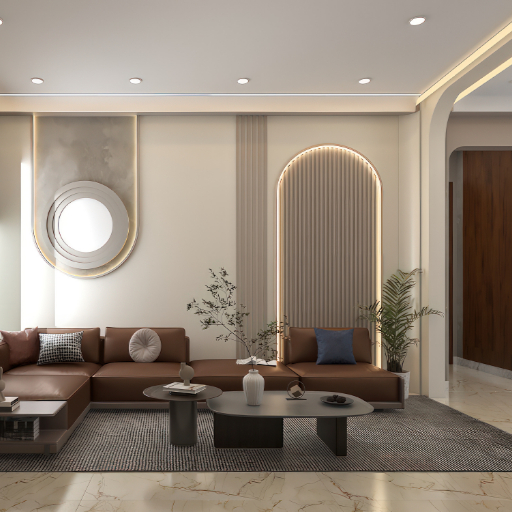
Smart home automation has moved from a luxury add-on to a fairly common request in Bangalore interior projects, driven by more affordable smart switches, app-controlled lighting and voice assistant integration. But automation is also one of the easiest areas to either overspend on features you won’t use, or underspend by bolting on gadgets without proper wiring planning.
This guide breaks down what smart home automation realistically costs to add during an interior project, and how to decide what’s actually worth automating in your home.
Quick answer: basic smart lighting and switch automation can be added to a standard interior project for a modest increase over standard wiring, while whole-home automation covering lighting, curtains, security and climate control costs significantly more and is best planned at the design stage, not retrofitted after civil and electrical work is complete.
Levels of Home Automation
| Level | What's Included | Best For |
|---|---|---|
| Basic | Smart switches/plugs, app-controlled lighting in key rooms, a smart doorbell | Most apartments wanting convenience without a major rewiring project |
| Mid-tier | Scene-based lighting, motorised curtains in select rooms, voice assistant integration | Homeowners who want noticeably smarter daily routines |
| Whole-home | Centralised control of lighting, climate, security, curtains and entertainment across the home | Villas and larger homes where automation is planned from the design stage |
What Actually Drives the Cost
- Number of points being automated. Automating every light switch in a 3BHK costs more than automating just the living room and main bedroom.
- Wired versus wireless systems. Wired automation, planned during electrical work, is more reliable long-term but needs to be decided before conduiting is finalised. Wireless retrofits are more flexible but can be less robust.
- Motorised elements. Curtains, blinds and lift-up storage mechanisms cost meaningfully more than simple switch or lighting automation.
- Integration complexity. A single-brand ecosystem is usually simpler and cheaper to set up than mixing multiple automation brands that need a central hub to talk to each other.
When to Decide on Automation
- Before electrical wiring is finalised, if you want wired automation; this is the single biggest timing decision, since retrofitting wired systems after walls are closed is far more disruptive.
- During lighting design, since scene-based automation works best when the lighting layout is planned with it in mind from the start.
- Before ordering wardrobe or kitchen lift-up mechanisms, if you want these motorised rather than manual.
What’s Usually Worth Automating First
- Living room and main bedroom lighting, since these see the most daily interaction
- Main door smart lock and video doorbell, for security and convenience
- A single whole-home voice assistant hub, rather than multiple competing ecosystems
Motorised curtains, full climate control integration and whole-home scene automation are reasonable later additions once the basics are in daily use and you know what you actually reach for.
How Houzlook Plans for Automation
Houzlook plans electrical and lighting layouts with automation in mind from the design stage, so wired systems can be added without retrofitting walls later. Smart lock installation and lighting automation are common additions on top of our standard complete home interior packages. Use our cost calculator to plan your base interior budget, then discuss automation add-ons during your design consultation.
Frequently Asked Questions
How much does basic smart home automation cost to add to an interior project?
Basic smart lighting and switch automation adds a modest amount over standard wiring costs, while whole-home automation covering security, climate and motorised elements costs significantly more.
Should I decide on home automation before or after the interior design is finalised?
Before, especially if you want wired automation. Deciding during the electrical planning stage avoids the cost and disruption of retrofitting after walls are closed.
Is wireless home automation a good alternative to wired systems?
Wireless systems are more flexible and easier to retrofit, but wired automation, planned during electrical work, is generally more reliable long-term.
What should I automate first in my home?
Living room and main bedroom lighting, a smart lock for the main door, and a single voice assistant hub are usually the most-used automation additions to start with.
Can I mix automation brands in one home?
You can, but it often needs a central hub to make different brands work together smoothly. A single-brand ecosystem is usually simpler and more reliable.
Does Houzlook install smart locks and automated lighting?
Yes, smart lock installation and lighting automation are common add-ons to our standard interior packages, planned alongside your electrical layout during design.
Automate What You’ll Actually Use
The best home automation setup is rarely the most feature-complete one. Start with the switches, locks and lighting you’ll interact with daily, and plan the wiring for those during the design stage rather than retrofitting later.