 Koramangala Apartment Interiors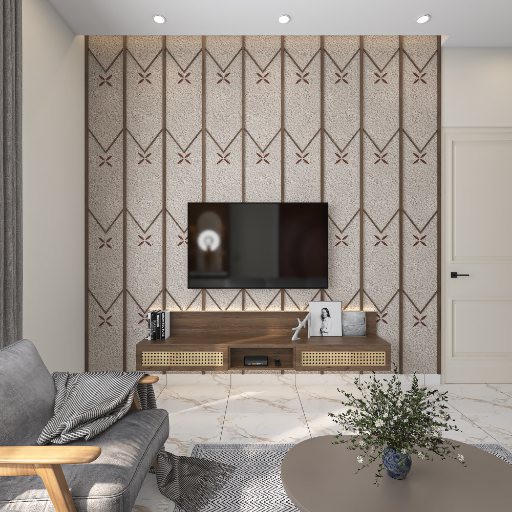
If you live in Koramangala, or are about to move into one of its many apartment complexes, you already know what the neighbourhood feels like. It is busy, cosmopolitan, and relentlessly modern. The restaurants are good, the cafes are great, and the traffic is a separate conversation. People here tend to have strong opinions about design, about quality, and about how their home should feel after a long day of work.
Which makes it all the more surprising how many Koramangala apartments are still living with builder-grade interiors: bare walls, standard flooring, a carpenter wardrobe that was clearly an afterthought, and a kitchen that works but brings no joy.
The gap between a Koramangala apartment as the builder hands it over and what it could be with thoughtful interior design is one of the widest we see anywhere in Bangalore. This guide is about closing that gap, with real ideas, practical advice, and a clear picture of what modern apartment interior design in Koramangala actually looks like when done well.
What Makes Koramangala Apartments Different
Before jumping into ideas, it is worth understanding the specific context. Koramangala apartments, whether in the older blocks of 1st and 2nd Block or the newer high-rises around 6th and 7th Block, share a few common characteristics that shape good interior design decisions.
Ceiling heights are typically 9 to 10 feet. This is workable but not generous. Every interior decision, from false ceiling design to furniture scale and lighting, needs to respect this and ideally make rooms feel taller, not shorter.
Natural light varies enormously by unit. Corner apartments and higher floors often get excellent light. Lower floors and units facing internal corridors can feel dark even at noon. Lighting design and colour palette need to compensate for this rather than ignore it.
Floor plans are compact-to-medium. Most 2BHKs in Koramangala run between 900 and 1,200 sq ft. 3BHKs typically sit between 1,400 and 1,800 sq ft. Space is not unlimited, so every design decision needs to pull double duty, being both beautiful and functional.
The resident profile skews young, professional, and design-aware. People living in Koramangala have seen enough well-designed spaces, in cafes, hotels, and friends' homes, to know what good design looks like. Generic interiors feel particularly out of place here.
The Living Room: Where Koramangala Apartments Either Shine or Fall Flat
The living room is the room that sets the tone for the entire home. It is also the room most commonly under-designed in Koramangala apartments, usually a sofa, a TV unit, and not much else.
Start With the TV Wall
In most Koramangala apartments, the TV wall is the visual anchor of the living room. A floating TV unit with a feature wall behind it, done in fluted wood panels, textured wallpaper, a stone veneer, or a combination of materials, immediately elevates the room from builder-standard to designed.
The key is to treat the TV wall as a composition, not just a surface to mount a screen on. At Houzlook, we typically design the TV unit as part of a full wall panel, with storage integrated on both sides, a mix of open and closed shelving, and the wall material extending to the ceiling or at least to a defined height. The result is a wall that looks like it belongs in a magazine and functions like a piece of well-planned furniture.
False Ceiling and Lighting Work Together
A living room without a thoughtful false ceiling and lighting plan will always feel incomplete, no matter how good the furniture is. In Koramangala apartments, we often recommend a two-level gypsum ceiling with cove lighting around the perimeter. It adds warmth, visual depth, and makes the room feel significantly more polished in the evenings.
Pair this with recessed downlights for ambient illumination and a statement pendant or chandelier as a focal point over the coffee table, and you have a lighting setup that can shift the entire mood of the room from bright and energetic during the day to warm and intimate at night.
Flooring That Elevates the Space
Builder-grade vitrified tile is functional but forgettable. Upgrading the flooring, or adding a large area rug over existing tile, is one of the highest-impact changes you can make to a Koramangala living room.
Large-format tiles, such as 800×800mm or 1200×600mm, in a matte finish instantly modernise a space. Engineered wood or laminate flooring brings warmth and texture that tile cannot replicate. And a well-chosen rug, placed correctly under the coffee table with the front legs of the sofa sitting on it, ties a seating arrangement together in a way that no amount of furniture rearranging can achieve on its own.
The Kitchen: Modular and Designed for Real Life
Koramangala residents cook, but they also order in, host friends for drinks, and want a kitchen that looks good even when it is not in use. The kitchen needs to be both highly functional and visually cohesive with the rest of the home.
Modular Over Carpenter-Built
There is almost no situation in a Koramangala apartment where a carpenter-built kitchen is the better choice over a properly designed modular kitchen. Modular kitchens offer better material quality, cleaner finishes, more storage options, and a significantly longer lifespan, especially when built with BWR plywood carcasses and quality hardware.
The layout question for most Koramangala kitchens comes down to L-shaped versus parallel. L-shaped works well for kitchens with a natural corner and adequate width. Parallel, or galley, kitchens work for longer, narrower spaces and offer excellent counter space and storage on both sides.
The Open Kitchen Consideration
Several newer Koramangala apartment projects have semi-open or fully open kitchen layouts that connect directly to the living or dining area. This is a design opportunity, not a constraint. An open kitchen done well, with a cohesive material palette, a kitchen island or breakfast counter that bridges the two spaces, and consistent flooring, feels very contemporary and sociable.
The key in an open kitchen is visual continuity. The shutter finish, the countertop material, and the overhead cabinet design all need to work with the living room aesthetic, not fight it.
What to Spend On
In a Koramangala apartment, the kitchen is worth a considered budget. A mid-to-premium modular kitchen, with acrylic or matte laminate shutters, quartz or granite countertop, Hettich or Blum hardware, and a good chimney and sink setup, typically runs between ₹2.5 lakh and ₹5 lakh depending on the kitchen size and finish level. This is not where you want to save aggressively, because you will feel the quality, or lack of it, every single day.
The Master Bedroom: Personal, Calm, and Well-Organised
The master bedroom in a Koramangala apartment is almost always the room homeowners have the strongest emotional investment in, and the room that tends to get the most design attention. Rightly so.
The Headwall as the Design Anchor
Much like the TV wall in the living room, the headwall behind the bed is the visual centrepiece of the master bedroom. A well-designed headwall, with an upholstered panel, a textured wallpaper, a wood cladding element, or a combination of these, changes the entire character of the room.
At Houzlook, we often extend the headwall treatment upward into a tray ceiling above the bed, creating a framed, cocoon-like effect over the sleeping area that feels deliberately designed and genuinely restful.
Wardrobe Design That Fits the Space
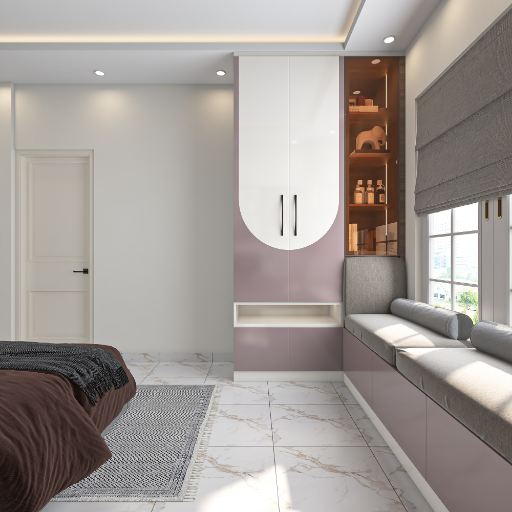
In most Koramangala 2BHK and 3BHK bedrooms, the wardrobe wall is 6 to 8 feet wide. A sliding wardrobe, floor-to-ceiling, with a mix of mirror and solid shutter panels, is almost always the right choice here. Sliding doors need no clearance space in front, which is critical when the bed and wardrobe wall are close together, as they often are in compact bedroom layouts.
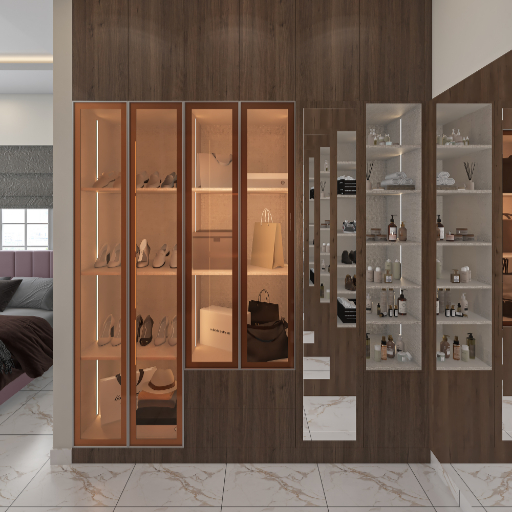
The interior design of the wardrobe matters as much as the exterior. Plan for a mix of hanging sections at two heights, pull-out drawers for folded clothes, and dedicated shoe storage at the base. LED strip lighting inside is a small addition that makes a disproportionate daily difference.
Lighting Layers in the Bedroom
Bedrooms need at least two lighting modes: a bright setting for getting dressed and reading, and a warm, dim setting for winding down. Recessed downlights on a dimmer work for the former. Bedside wall sconces or table lamps work for the latter. Cove lighting around the false ceiling perimeter works well if the room has height to accommodate it.
Overhead tube lights in a bedroom are a design non-starter. If your Koramangala apartment still has one, replacing it with a proper lighting plan should be at the top of your interior design to-do list.
The Second Bedroom: Work Smarter With the Space
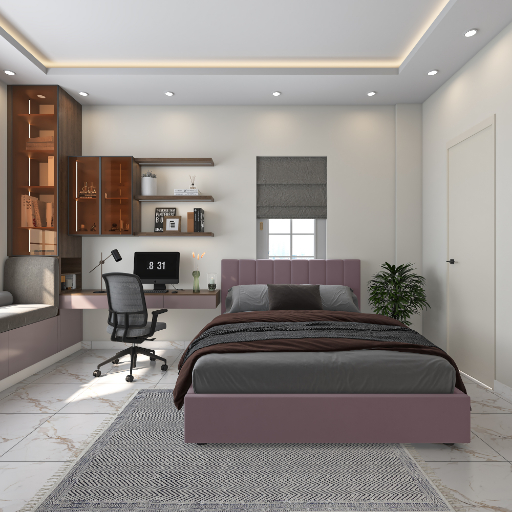
In Koramangala, the second bedroom of a 2BHK or 3BHK apartment often needs to serve two purposes: guest bedroom and home office, or children's room and study. Designing for this dual function requires some thought.
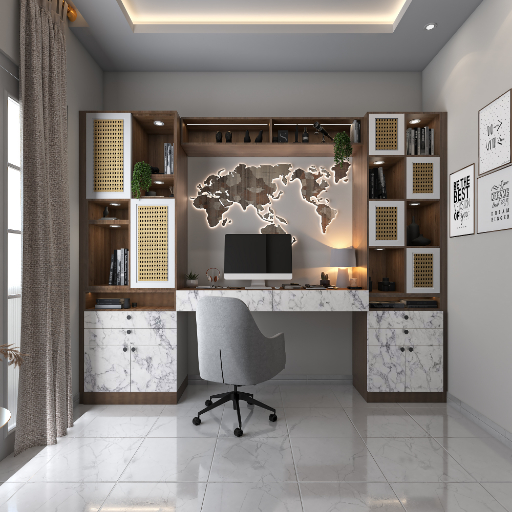
For a guest bedroom and home office combination, a wall-mounted fold-down desk that folds flat when not in use keeps the room functional as a bedroom without the office setup making it feel like one permanently. Pair it with a daybed or sofa bed rather than a standard bed if guests are infrequent, freeing up significant floor space.
For a children's room, the design conversation is really about growth. A room designed for a 5-year-old will feel wrong by the time they are 10. Build in flexibility with a loft bed and study area underneath, modular shelving that can be reconfigured, and a neutral colour palette with accent colours that can be swapped through accessories rather than repainting.
Dining Area: Compact, Considered, Characterful
Most Koramangala apartments have dining areas that are technically part of the living room, a dining table tucked between the kitchen entrance and the sofa zone. Designing this space well requires acknowledging the constraint rather than pretending it is a separate room.
A round or oval dining table almost always works better than a rectangular one in a combined living-dining space. It takes up less visual and physical real estate, allows easier movement around it, and feels less formal. Four well-chosen chairs around a round table in a compact Koramangala dining area can look genuinely considered and stylish.
Overhead lighting matters enormously in the dining area. A pendant light hung at the right height above the table, roughly 30 to 36 inches above the table surface, anchors the dining zone within the larger room and creates a sense of definition. This is one of the cheapest and most impactful design moves in any Koramangala apartment.
The Balcony: Koramangala's Most Underused Asset
Most Koramangala apartments have at least one balcony, and most of those balconies are either empty or storing things that should probably be thrown away. Given Bangalore's climate, genuinely lovely for much of the year, this is a real missed opportunity.
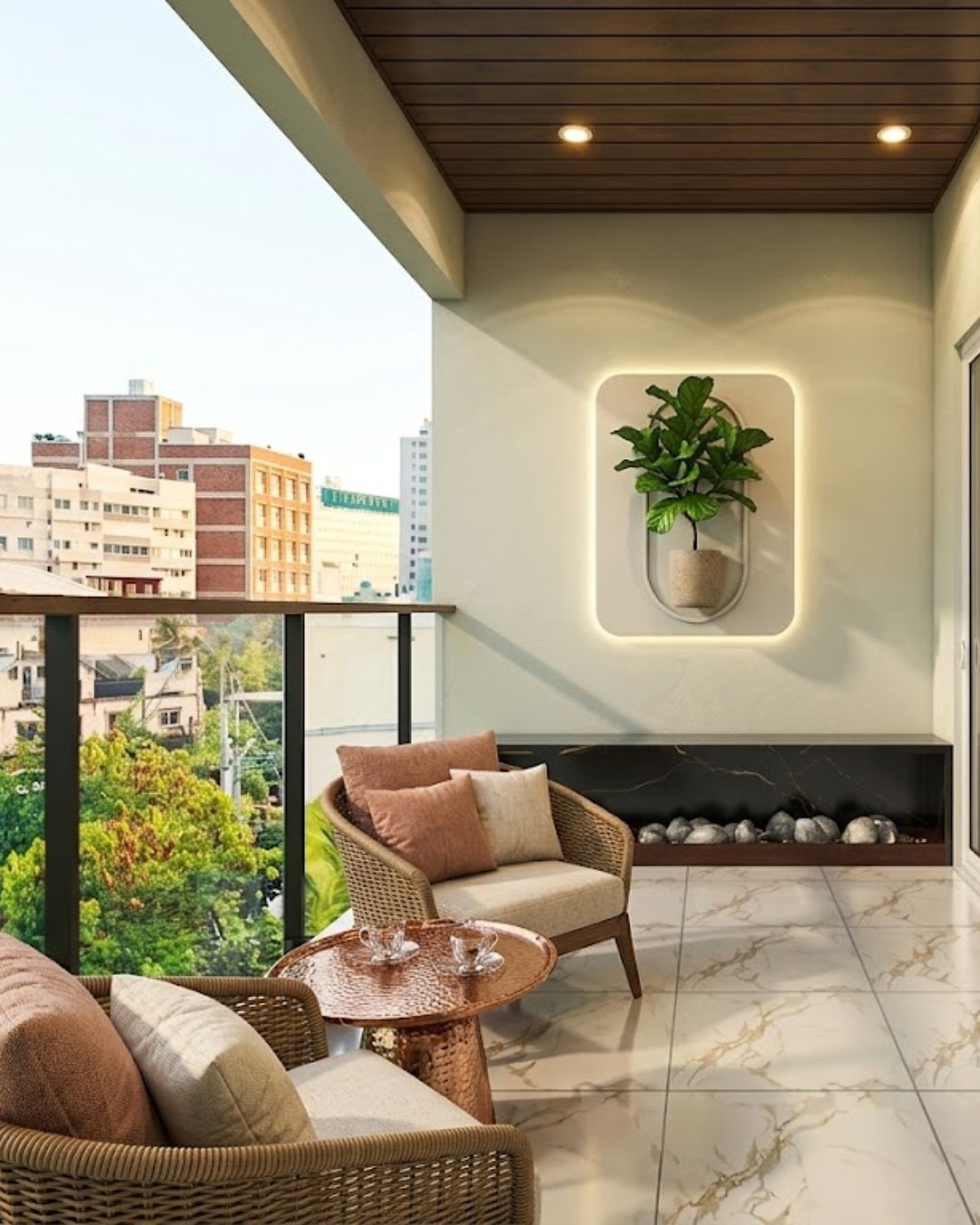
A balcony in a Koramangala apartment can become a morning coffee spot, an evening wind-down corner, or a mini garden with very little investment. Deck tiles over the concrete floor, a bistro table with two chairs, vertical planters or railing-mounted herb planters, and string lights across the ceiling can transform the balcony from a forgotten corner into the most used spot in the home.
For slightly larger balconies, a floor cushion setup with a low coffee table creates a more relaxed, lounge-like feel. A bamboo privacy screen along one side adds both a design element and practical separation from neighbouring balconies, common in Koramangala's denser apartment clusters.
Materials and Finishes That Work in Koramangala Apartments
The design language most suited to Koramangala's resident profile is contemporary with warmth: clean lines and modern forms, but not cold or stark. These are the material choices that consistently work well.
- Walls: Textured paint, especially sand finish or knockdown texture, adds depth without pattern or commitment. Wallpaper used selectively on a single feature wall adds personality. Fluted wood wall panels have become a defining material of contemporary Bangalore interiors and work particularly well in living rooms and bedrooms.
- Flooring: Large-format matte vitrified tiles work well for living areas and kitchens. Engineered wood or premium laminate brings warmth to bedrooms. Avoid high-gloss flooring in small rooms because it shows every footprint and can make spaces feel smaller.
- Ceilings: Gypsum board with cove lighting is a strong baseline. Feature elements such as wooden cladding panels, curved profiles, or POP decorative borders should be used selectively as accents rather than across the entire ceiling.
- Furniture: In a compact Koramangala apartment, furniture scale matters enormously. Oversized pieces make small rooms feel cramped and dark. Choose pieces that are proportionate to the room, lift off the floor on legs, and serve more than one function where possible.
What Does a Complete Interior Design Project Cost in Koramangala?
This is always the first question and deserves a straight answer.
For a 2BHK apartment in Koramangala, approximately 900 to 1,200 sq ft, a complete interior design project with Houzlook covering modular kitchen, wardrobes, living room TV unit and false ceiling, master bedroom, and balcony typically runs:
- Mid-range: ₹7 lakh to ₹12 lakh.
- Premium: ₹12 lakh to ₹20 lakh+.
For a 3BHK apartment, approximately 1,400 to 1,800 sq ft, the usual ranges are:
- Mid-range: ₹12 lakh to ₹18 lakh.
- Premium: ₹18 lakh to ₹30 lakh+.
These ranges reflect real project costs across Houzlook's Koramangala and wider Bangalore portfolio. The variation within ranges comes down to material finish levels, hardware quality, the extent of custom work, and the complexity of the design brief.
What does not vary is the process: site measurement, 3D design presentation, transparent cost breakdown before execution begins, in-house manufacturing, and the 11-year warranty that covers everything we build.
Why Homeowners in Koramangala Choose Houzlook
Koramangala residents are discerning. They ask good questions, they have done their research, and they are not going to be sold something they do not need. Which is exactly the kind of client relationship Houzlook is built for.
Since 2015, Houzlook has completed interior projects across Koramangala, HSR Layout, Whitefield, Sarjapur Road, and beyond, with 2,500+ homes transformed, a 98% client satisfaction rate, and an 11-year warranty that is the most comprehensive in the industry. Our in-house 1-acre manufacturing facility means we control quality directly, not through a chain of subcontractors. Our 3D design process means you see the finished result before work begins, not after.
Visit our experience centres in HSR Layout or Sarjapur Road, Monday to Saturday, 10 AM to 7 PM. Or book a free home visit; our designers come to your Koramangala apartment, understand your brief, and present a design and cost proposal that is specific to your space.
Houzlook is a premium interior design company in Bangalore with 2,500+ homes transformed since 2015, in-house manufacturing, 3,000+ 3D renders delivered, and an 11-year warranty on all work.